
Residential Structural Inspections by Licensed Professional Engineers
When cracks appear, floors slope, or a home inspection flags a structural concern, you need answers grounded in engineering, not guesswork.
residential structural engineering
accepted by lenders & insurers
headquartered in Charlotte, NC
What Is a Structural Inspection?
A structural inspection is a focused evaluation of a home's structural system, foundation, framing, load-bearing walls, and connections, performed by a licensed structural engineer to determine the cause of observed issues and whether repairs are needed. Unlike a general home inspection, which covers many systems at a visual level, a structural inspection applies engineering analysis to identify root causes and provide specific recommendations.
Read more
IDE Engineering provides licensed structural inspections across the Southeast for homeowners, homebuyers, realtors, contractors, and insurance professionals. Every inspection ends in an engineer-sealed report that identifies root causes, rules out cosmetic issues, and gives everyone involved (lenders, insurers, building officials, and contractors) a clear, defensible basis for the next step.
At IDE, a licensed Professional Engineer performs every inspection with residential design experience across five states. Because we design residential structures every day, we know how homes are built, where they tend to fail, and how to recommend repairs that are both effective and cost-conscious.
Which Structural Inspection Service Do You Need?
As a design-first residential engineering firm, our inspection services carry an unusual advantage: the engineers evaluating your home are the same ones designing new residential structures across the Southeast every day. That perspective sharpens what we look for and how we recommend fixing it.
We offer three levels of structural inspection service, each matched to a different situation and budget.
Structural Inspection with Engineer-Sealed Report
A full on-site evaluation by a licensed Professional Engineer, followed by a written report documenting observations, root-cause analysis, and specific repair recommendations. Each report carries a Professional Engineer seal and is accepted by lenders, insurers, contractors, and building officials.
Best for: real estate transactions, insurance claims, permit-required repairs, and any situation requiring documented engineering conclusions.
Consultation Service (Peace of Mind)
A site visit and verbal consultation with a licensed Professional Engineer, without a written report. Ideal for homeowners who want an expert opinion on whether a concern is cosmetic or structural before committing to a full inspection, or for early conversations about a planned renovation.
Best for: peace-of-mind evaluations, pre-renovation discussions, and understanding whether formal documentation is needed.
Forensic Structural Inspection
A detailed structural investigation for complex situations: ongoing movement, construction defect claims, insurance disputes, storm damage, or conflicting opinions from other professionals. Includes documentation of damage, analysis of contributing factors, and engineer-sealed findings that hold up in construction, insurance, and legal contexts.
Best for: legal or insurance documentation, construction defect investigations, and situations where earlier assessments haven't resolved the issue.
When Do You Need a Structural Inspection?
Not every crack or squeak indicates a structural problem, but some are worth an expert look. If you're seeing any of the following, a structural inspection can tell you whether it's cosmetic, typical, or something that needs attention.
Visible warning signs
Situations where an inspection is often recommended
What Does a Structural Engineer Inspect?
A structural inspection focuses on the elements that carry load and hold a home together. Depending on the concern, our evaluation covers:
When needed, we document floor elevations, measure structural movement, and photograph observations to support the engineering conclusions in the final report.

What Happens During a Structural Inspection?
Every inspection follows the same four steps, from initial call to sealed report.
01 Initial Consultation
We start with a conversation to understand the property, the concerns being observed, and the reason for the inspection: real estate transaction, remodel planning, damage evaluation, or peace of mind. This defines the scope and confirms we're the right fit for the job.
02 On-Site Evaluation
A licensed Professional Engineer visits the property to evaluate the areas of concern and surrounding structural conditions. Depending on the situation, we assess foundation, framing, load paths, and any signs of movement, damage, or moisture impact. Measurements, photographs, and field observations are documented on-site.
03 Engineering Analysis
Back at the office, the engineer analyzes the field observations to determine root cause: whether the conditions are cosmetic, typical, or structurally significant. This is where engineering judgment separates a structural inspection from a general home inspection. We don't just report what we saw, we explain why it's happening and what to do about it.
04 Engineer-Sealed Report
You receive a clear, written report documenting our observations, conclusions, and specific recommendations. Every report carries the authority of a Professional Engineer Seal and is accepted by contractors, lenders, insurers, and building officials. Reports are written to be understandable by homeowners without sacrificing the technical precision contractors need to act on them.
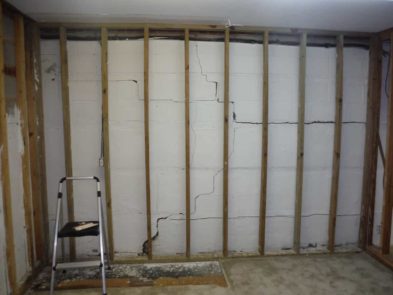
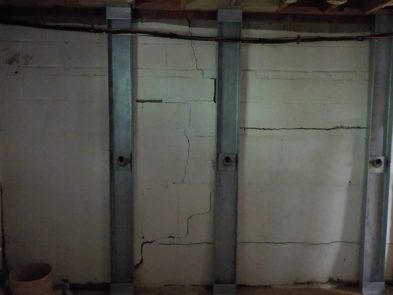
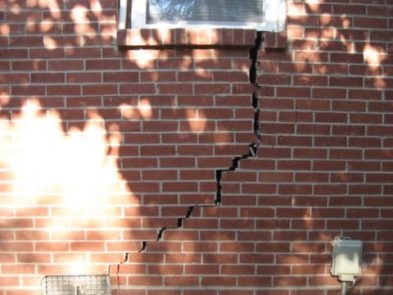
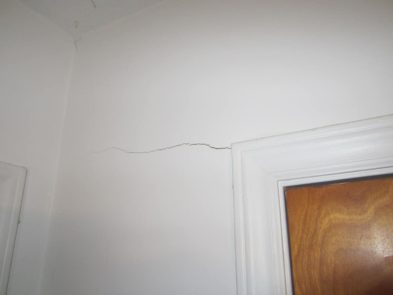
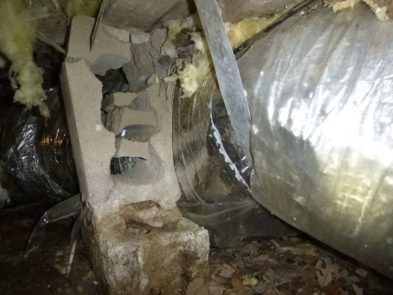
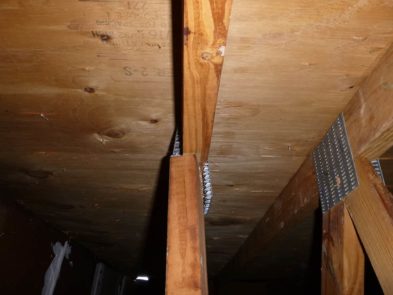
IDE in the Field
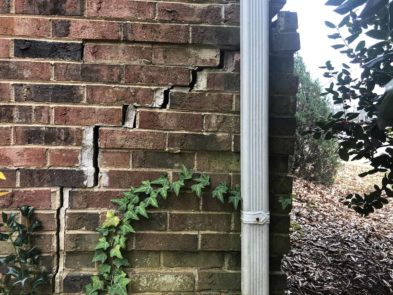
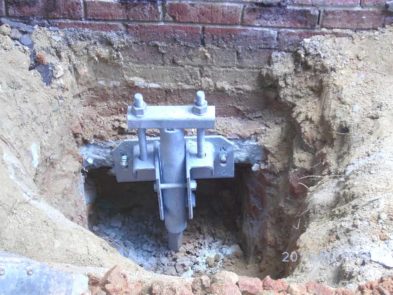
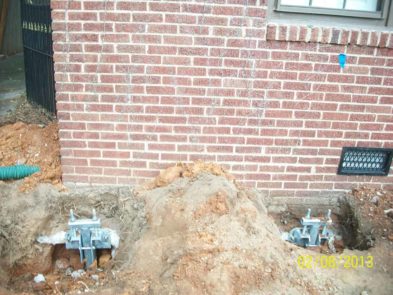
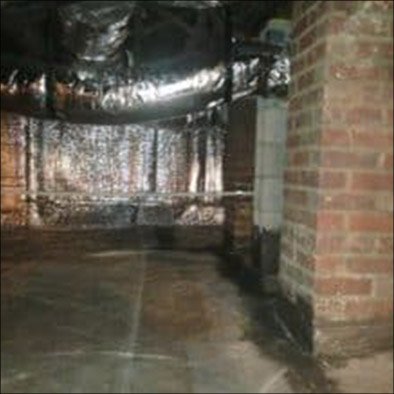
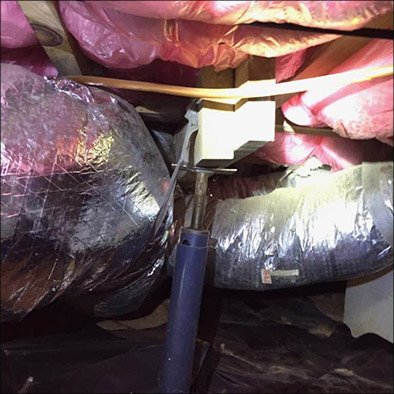
A look at the conditions our engineers evaluate every week — foundations, framing, crawlspaces, and the structural details that tell the real story of a home.




What’s Included in a Structural Inspection Report?
A structural report is only valuable if it's clear. Our reports include photographs, repair drawings when needed, and specific recommendations, written so any contractor can bid and build from them without guesswork. That clarity also protects you: it turns contractor bids into apples-to-apples comparisons instead of a range of conflicting opinions.
Reports are matched to the complexity of the situation:
Level 1 Reporting
Concise engineer-sealed documentation for straightforward findings. For example, evaluating minor cracks in brick veneer and confirming they're cosmetic rather than structural.
VIEW LEVEL 1 REPORT SAMPLE (PDF) →Level 2 Reporting
Detailed engineering analysis with repair drawings. For example, designing beam and column replacements when a load-bearing wall needs to come out during a remodel.
VIEW LEVEL 2 REPORT SAMPLE (PDF) →Level 3 Reporting
Comprehensive forensic documentation of multiple structural concerns. For example, a home with sloping floors, multiple crack patterns, damaged trusses, and wood damage requiring coordinated repair recommendations.
VIEW LEVEL 3 REPORT SAMPLE (PDF) →“IDE rep Damian came out to my house to do an inspection of some areas we were concerned about around our exterior foundation. He did a thorough job of inspecting our foundation and interior of the home taking measurements and analyzing his findings. He efficiently explained the whole process and was very professional.
I highly recommend IDE for any foundation concerns or even if you are planning on any renovations that you may be considering but not sure how it would affect the rest of your home. Very helpful all around.”
Structural Engineer vs. Home Inspector
Home inspections and structural inspections are both valuable. They just answer different questions. A home inspector reviews the whole property at a general level; a structural engineer performs a focused evaluation of the structural system, backed by engineering analysis and a licensed PE seal.
| Home Inspector | Structural Engineer | |
|---|---|---|
| Scope | Broad, general overview of the whole home | Focused evaluation of the structural system |
| Licensing | State home inspector license | Licensed Professional Engineer (PE) |
| Analysis | Visual identification of potential issues | Root-cause structural analysis |
| Recommendations | “Recommend further evaluation by an engineer” | Engineered repair or reinforcement recommendations |
| Report authority | Home inspection report | Engineer-sealed report accepted by lenders, insurers, and building officials |
| Best used for | Pre-purchase overview of overall home condition | Investigating a specific structural concern or providing a defensible report |
If a home inspection has recommended “further evaluation by a licensed structural engineer,” that’s where we come in.
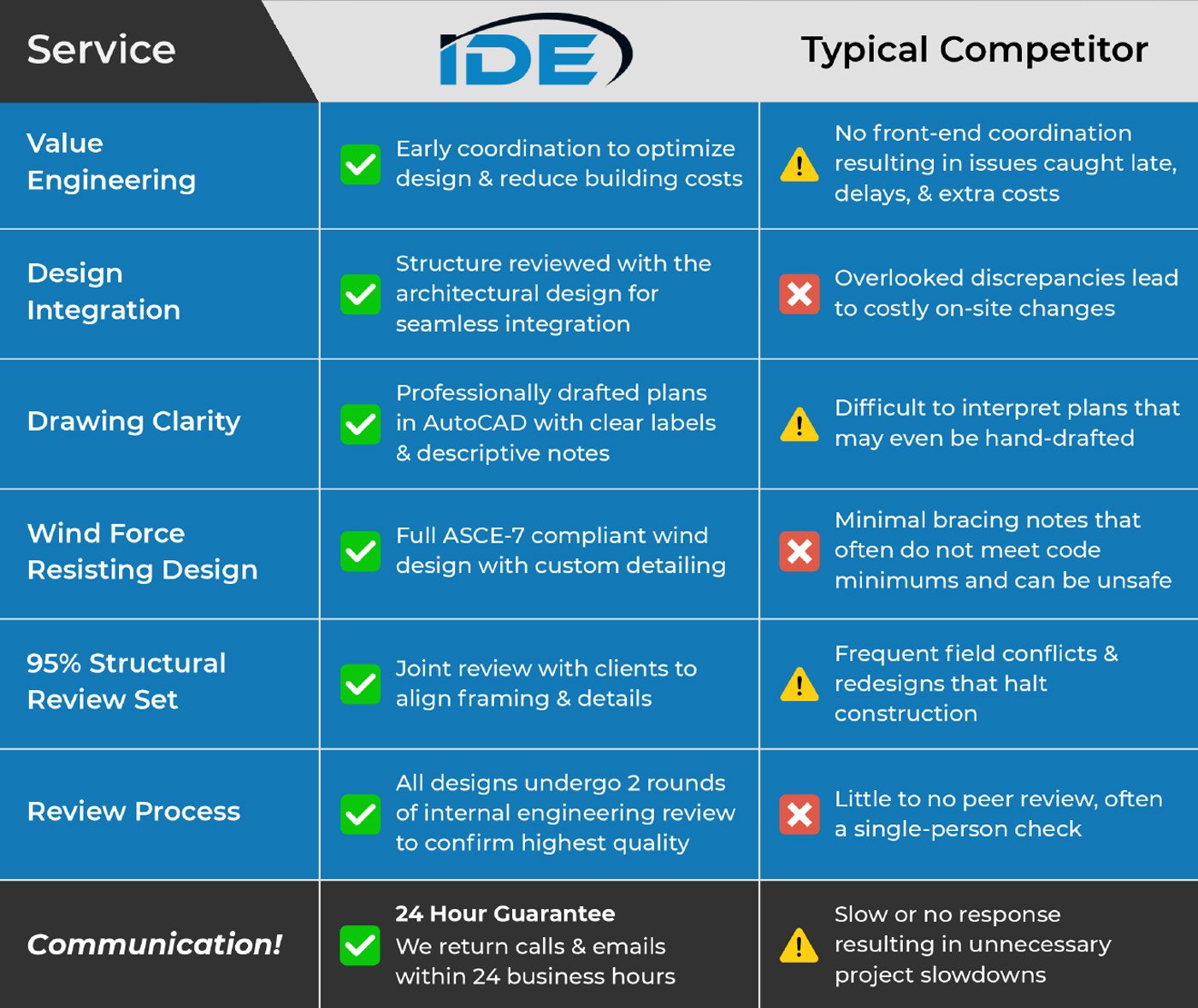
Why Choose IDE Engineering
Structural inspections are a commodity. Structural inspections done well are not. Here’s what separates our work:
See How We’ve Solved Structural Problems
Every home tells a different story. Our case studies show how we've evaluated real structural concerns, from bowed basement walls to failed framing to sloping floors, and delivered practical, defensible solutions.
View Case Studies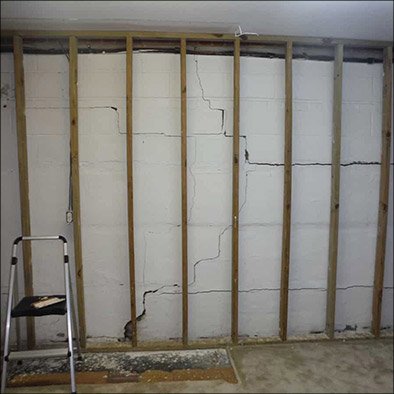
Our Other Residential Structural Engineering Services
Structural inspections are normally the last phase and needed only after issues have occurred. You can save time, stress, and money by doing it right the first time and have us provide a proper design and inspect the framing prior to closing things up.

Structural Design
Residential structural design for new custom homes, multifamily developments, and complex builds. We refine plans to reduce unnecessary complexity, deliver construction-ready plans, and control costs through value engineering.
Learn about Structural Design →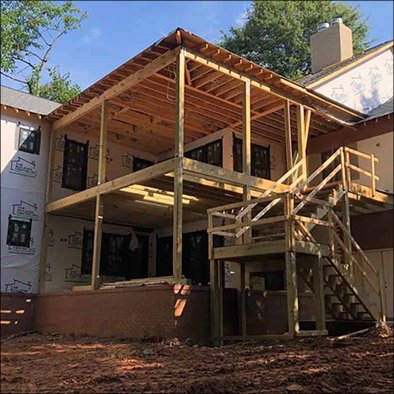
Renovations & Additions
Structural engineering for additions, remodels, and modifications, including the evaluation of load-bearing walls, wall removal beam sizes, and framing adjustments that protect the architectural intent while solving for structure.
Learn about Renovations & Additions →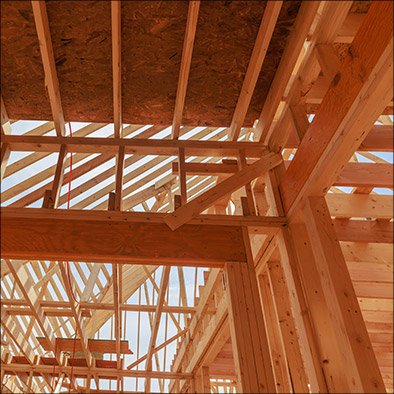
Framing Inspection Services
On-site, third-party review of framing components, verifying alignment with structural plans and catching issues before drywall goes up and problems become expensive to fix.
Learn about Framing Inspection Services →Frequently Asked Questions
Do I need a structural engineer or a home inspector?
For a general overview of a home before purchase, hire a home inspector. For focused evaluation of a structural concern (cracks, sloping floors, foundation movement, or a home inspector's recommendation for “further evaluation”) hire a licensed structural engineer. A home inspector can identify potential issues; a structural engineer can determine the root cause and provide engineer-sealed recommendations.
How much does a structural inspection cost?
Our structural inspections with engineer-sealed reports start at $700, with pricing based on report requirementsOur structural inspections with engineer-sealed reports start at $700, with pricing based on report requirements and the complexity of the repair plan. A verbal consultation service (site visit without a written report) is a $500 minimum. Forensic inspections are quoted based on scope. There's no charge for the initial phone conversation.
How long does an inspection take?
Most on-site inspections take 30 minutes to 1.5 hours, depending on the size of the home and the number of concerns being evaluated. Larger or forensic inspections may take longer. Written reports are typically delivered within one to two weeks of the inspection.
Will I receive a written report?
Yes, unless you've specifically chosen the verbal consultation service. Written reports include observations, engineering analysis, root-cause conclusions, and specific repair recommendations. Every written report carries the seal of a licensed Professional Engineer and is accepted by lenders, insurers, contractors, and building officials.
What if you find structural damage?
The report will document what we found, explain the likely cause, and outline recommended repairs, including sketches or repair drawings when needed. We don't perform repairs or refer to specific contractors, which keeps our recommendations independent. You take the report to a contractor of your choosing and use it to secure fair, comparable bids.
Can you inspect a home before I remove a load-bearing wall?
Yes. This is one of the most common reasons for an inspection during a remodel. We evaluate whether the wall is load-bearing, size the replacement beam and supports, and provide construction-ready drawings your contractor can build from.
Do lenders and insurers accept your reports?
Yes. Because our reports are sealed by a licensed Professional Engineer, they carry the authority required by lenders, insurers, building officials, and legal proceedings. This is one of the primary reasons homebuyers and insurance claimants request a structural inspection over a general home inspection.
What states do you serve?
We're licensed Professional Engineers in North Carolina, South Carolina, Virginia, Georgia, and Tennessee. Our office is in Charlotte, NC.
How quickly can you schedule an inspection?
For most residential inspections in our service area, we can typically schedule within a week. Urgent situations (real estate closings, storm damage, permit deadlines) can often be accommodated faster. Contact us to check current availability.
Schedule Your Structural Inspection
If you're seeing cracks, sloping floors, or a structural concern flagged by a home inspection, or if you just want peace of mind before buying, selling, or remodeling, we're here to help. Our licensed structural engineers respond quickly, deliver clear reports, and give you the answers you need to move forward with confidence.